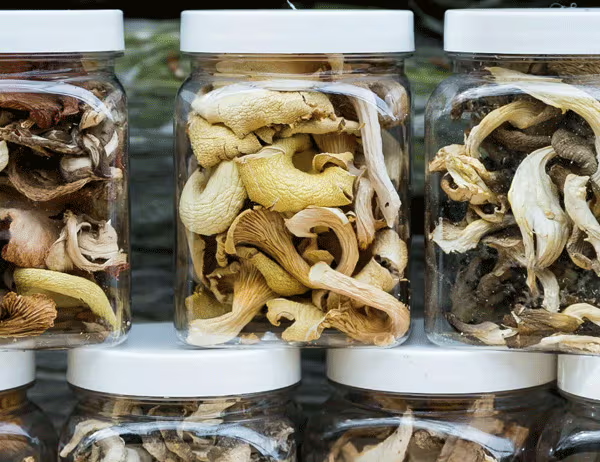
Fresh vs. Dried Gourmet Mushrooms in London, UK: The Ultimate Culinary & Buying Guide.
Whether you are a passionate home chef in Islington or managing a commercial kitchen in Soho, selecting between fresh and dried gourmet mushrooms can fundamentally elevate your dish. While vibrant fresh specimens offer crisp texture and subtle delicate notes, properly dehydrated mushrooms concentrate rich umami depth for hearty stocks and slow-cooked stews. Navigating London’s culinary landscape requires a trusted source—Smithy Mushrooms provides sustainably cultivated, farm-fresh, and expertly dried wild and exotic mushrooms directly from Lancashire to kitchens across the capital.
What is the Difference Between Fresh and Dried Mushrooms?
Understanding the distinct physical and chemical characteristics of fresh versus dried mushrooms is fundamental to mastering gourmet cooking.
- Fresh Mushrooms: Contain approximately 85% to 92% water. They maintain an intact cellular structure, providing a distinct firm texture, moisture, and subtle, nuanced flavors.
- Dried Mushrooms: Have had almost all water removed via controlled low-heat dehydration. This process concentrates natural amino acids—specifically glutamic acid—resulting in an intensified umami profile.
How Moisture & Dehydration Impact Culinary Performance
When mushrooms are dried, the removal of moisture causes their cell walls to collapse slightly, locking in essential nutrients and aromatics. Upon rehydration in warm liquid, these compounds dissolve into the soaking water, creating a nutrient-rich mushroom stock that serves as an exceptional base for risottos, gravies, and ramens.
Conversely, fresh mushrooms absorb pan fat during initial cooking before releasing their natural moisture, creating a delicate seared exterior when cooked over high heat with butter or oil.
Comparison: Fresh vs. Dried Gourmet Mushrooms
| Feature | Fresh Gourmet Mushrooms | Dried Gourmet Mushrooms |
| Primary Culinary Role | Sautéing, pan-searing, grilling, fresh salads | Soups, slow-cooked stews, braises, stocks |
| Flavor Intensity | Delicate, earthy, subtle, nutty | Deep, intense, concentrated umami |
| Texture | Crisp, tender, chewy, meaty | Chewy, firm after rehydration |
| Preparation Needed | Minimal (gentle wiping, trimming) | Requires 20–30 minute soaking in warm liquid |
| Shelf Life | 3 to 7 days (refrigerated) | 6 to 12+ months (cool, dry storage) |
| Storage Requirement | Breathable paper bag in fridge | Airtight container away from light |
Key Benefits of Each Format
Benefits of Fresh Gourmet Mushrooms
- Superior Texture: Fresh Shiitake, King Oyster, and Lion’s Mane offer a firm, satisfying bite that works as a centerpiece or meat substitute.
- Immediate Convenience: Requires no advance preparation or soaking time; go straight from punnet to pan.
- Culinary Versatility: Ideal for high-heat cooking methods such as stir-frying, dry-searing, and roasting.
Benefits of Dried Gourmet Mushrooms
- Extended Shelf Life: Can be stored in a pantry for months without quality degradation.
- Dual-Purpose Liquid: The soaking broth provides an instant, deeply flavorful stock base for risottos and sauces.
- Economic Efficiency: A small quantity yields substantial rehydrated volume and intense flavor concentration.
Culinary Use-Cases: When to Choose Which
Choose Fresh Mushrooms When:
- Preparing a rapid stir-fry with Brown or White Shimeji and Oyster mushrooms.
- Pan-searing King Oyster (Eryngii) scallops in garlic butter.
- Sautéing Shiitake for a quick pasta dish or toast topper.
- Grilling Seasonal Exotic Mixes for summer dishes.
Choose Dried Mushrooms When:
- Simmering long-cooked French or Italian stews (e.g., Boeuf Bourguignon).
- Crafting a deeply restorative dashi or ramen broth.
- Grinding into a fine mushroom powder to use as a dry rub or seasoning dust.
Culinary Best Practices & Preparation
How to Prepare Fresh Gourmet Mushrooms
- Avoid Washing in Water: Mushrooms absorb water rapidly. Clean them by gently wiping with a damp cloth or soft brush.
- Optimal Storage: Remove plastic wrap and store fresh mushrooms in a breathable paper bag in the refrigerator at 2–4°C.
- High-Heat Sautéing: Place mushrooms in a hot pan without overcrowding. Allow moisture to evaporate before adding fats like butter or olive oil to ensure a golden sear.
How to Rehydrate Dried Mushrooms
- Measure & Rinse: Briefly rinse dried mushrooms under cold water to remove any residual forest debris.
- Soak in Warm Liquid: Place in a heatproof bowl and cover with hot (not boiling) water, stock, or wine for 20–30 minutes.
- Strain and Reserve: Strain the liquid through a fine-mesh sieve or coffee filter to remove grit. Save the liquor for sauces or broths.
Why Quality Matters: Choosing a Trusted Supplier
The quality of both fresh and dried mushrooms depends heavily on cultivation standards, harvesting practices, and cold-chain logistics. Low-quality imports often suffer from excessive transport times, leading to soggy fresh mushrooms or overly brittle, tasteless dried varieties.
Why Choose Smithy Mushrooms?
- Decades of Expertise: Established in 1989 in West Lancashire, Smithy Mushrooms operates 26 climate-controlled growing rooms dedicated to growing exotic and wild varieties.
- Farm-to-Door Delivery: Direct distribution to London home cooks, Michelin-starred establishments, and major stockists ensures peak freshness.
- Sustainable Cultivation: Eco-friendly practices including wood-waste substrate cycling and quality assurance certified under British Retail Compliance standards.
- Diverse Variety: Supplying Shiitake, King Oyster, Lion’s Mane, Shimeji, and seasonal mixed boxes year-round.
Frequently Asked Questions
1. Can I substitute dried mushrooms for fresh ones in a recipe?
Yes. As a general conversion rule, use 10 grams of dried mushrooms for every 100 grams of fresh mushrooms called for in the recipe. Remember to rehydrate them first.
2. How long do fresh mushrooms last in a London home kitchen?
When stored correctly in a paper bag inside the refrigerator vegetable crisp drawer, fresh exotic mushrooms typically last between 3 to 7 days.
3. Do I need to cook mushrooms before eating them?
Yes, gourmet varieties like Shiitake, Oyster, and Shimeji should always be thoroughly cooked to break down chitin cell walls, enhance digestibility, and unlock full culinary flavor.
4. Can I freeze fresh mushrooms?
It is not recommended to freeze raw fresh mushrooms directly as their high water content destroys their texture upon thawing. Sauté them in oil or butter first, then freeze in airtight containers.
5. Is the rehydration liquid from dried mushrooms safe to use?
Absolutley. The rehydration liquid contains water-soluble flavor compounds. Always strain it through a fine sieve to remove any micro-sediments before adding it to your dish.
6. Where can I buy fresh and dried gourmet mushrooms in London?
You can order directly online from Smithy Mushrooms for home delivery, or find their products distributed across major UK stockists and fine food retailers.
Final Culinary Call to Action
Transform your everyday cooking with premium UK-grown exotic and wild mushrooms. Whether you need crisp fresh Shiitake for a pan-seared entree or fragrant dried mushrooms for a rich winter stew, source directly from Lancashire’s leading growers.
Explore the full collection today at Smithy Mushrooms and bring farm-fresh quality to your kitchen.